
HEPA & ULPA Filters for Clean-Air Systems
Explore mini-pleat, gel-seal and separator filter constructions for clean-air equipment and air-handling systems. Select the required filtration class, then match the dimensions, sealing interface, operating airflow and applicable test documentation to your installation.
Explore Our Filter Constructions
Compare the available filter constructions below. Filtration classes, frame materials, dimensions and sealing options vary by model.
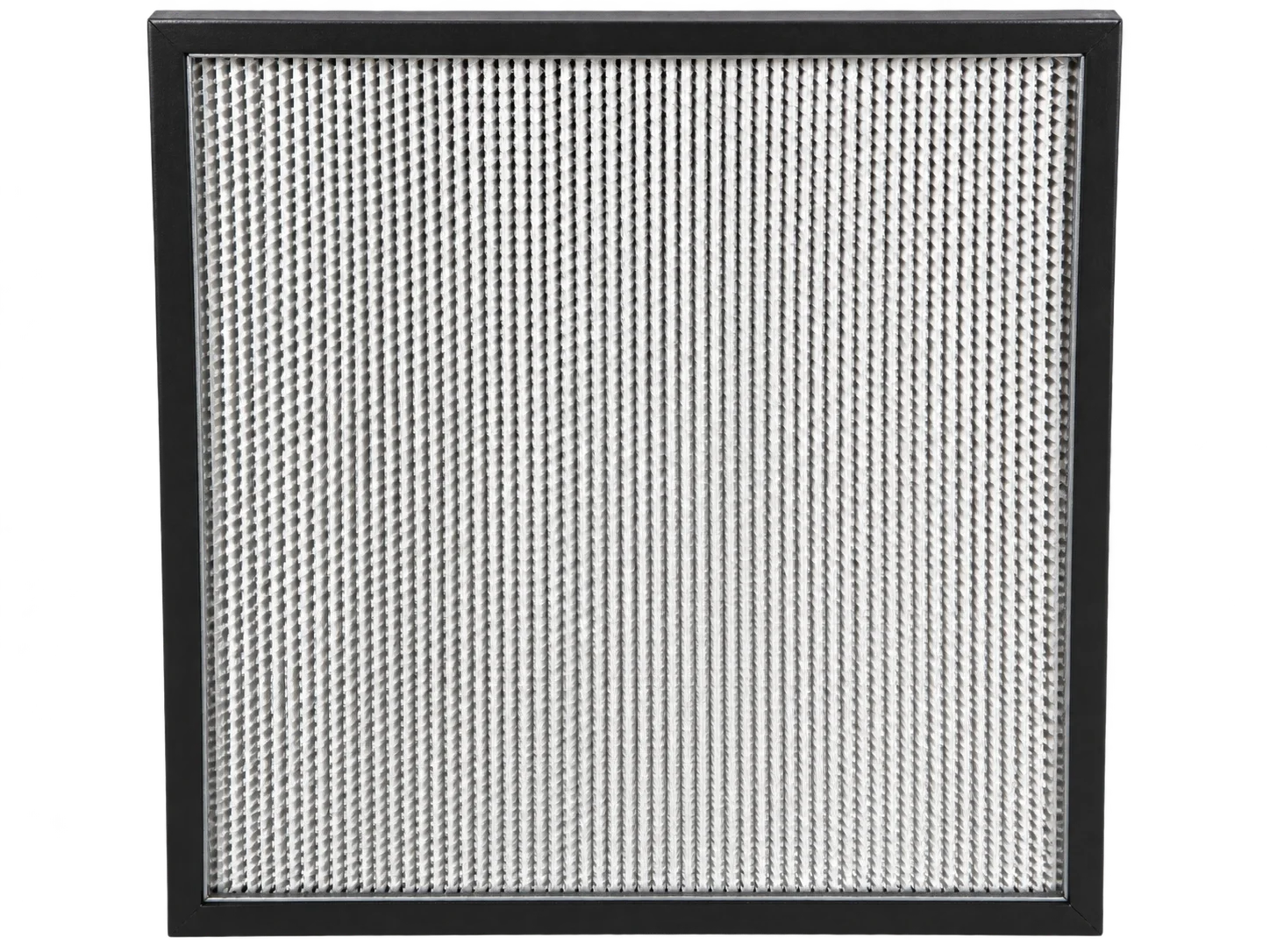
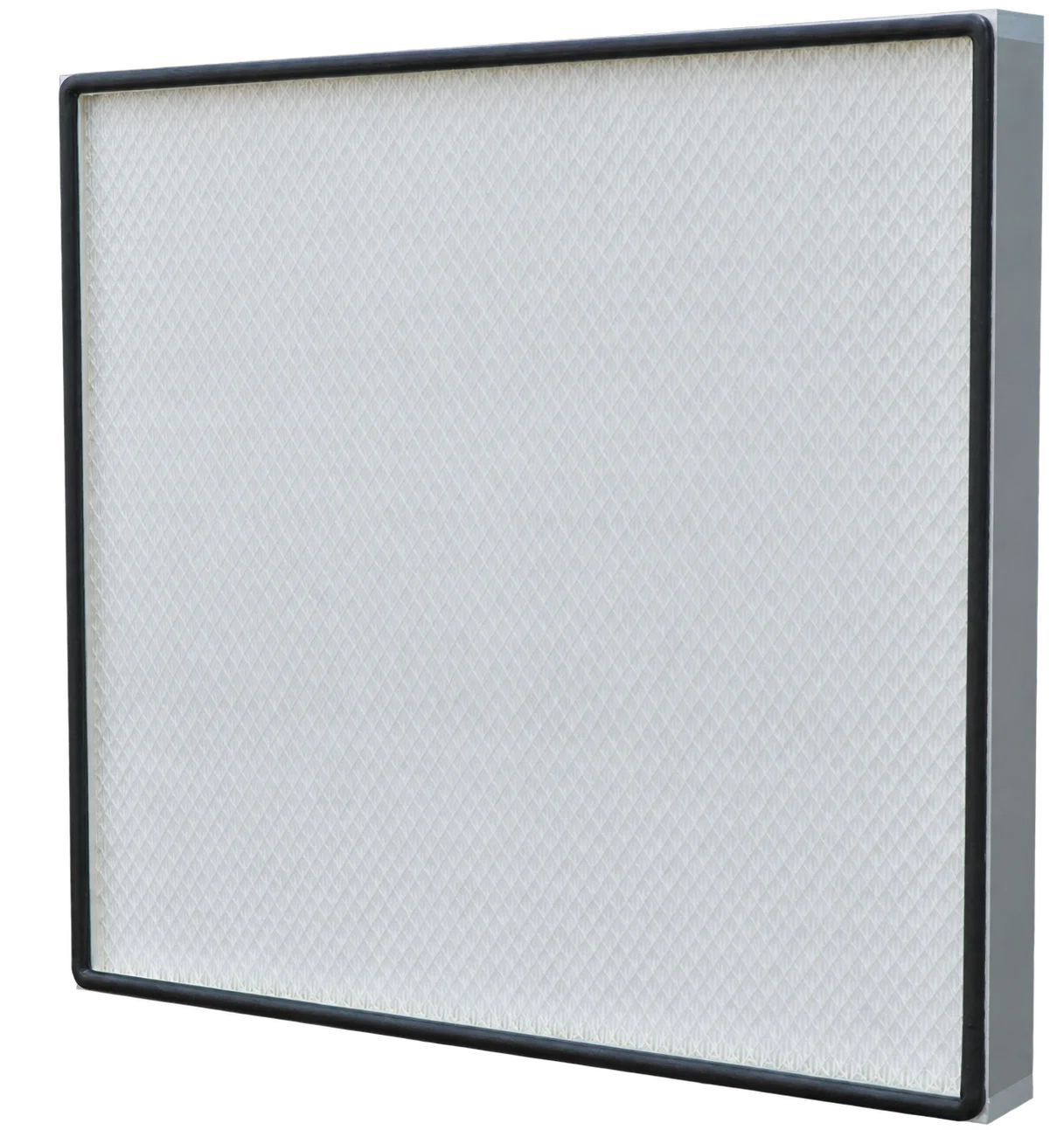
Mini-pleat HEPA / ULPA Filters
Mini-pleat microglass filter packs with model-specific frame depths and gasket configurations. Match the selected class and sealing face to your clean-air equipment.
- Build
- Mini-pleat microglass
- Seal / fit
- Polyurethane gasket
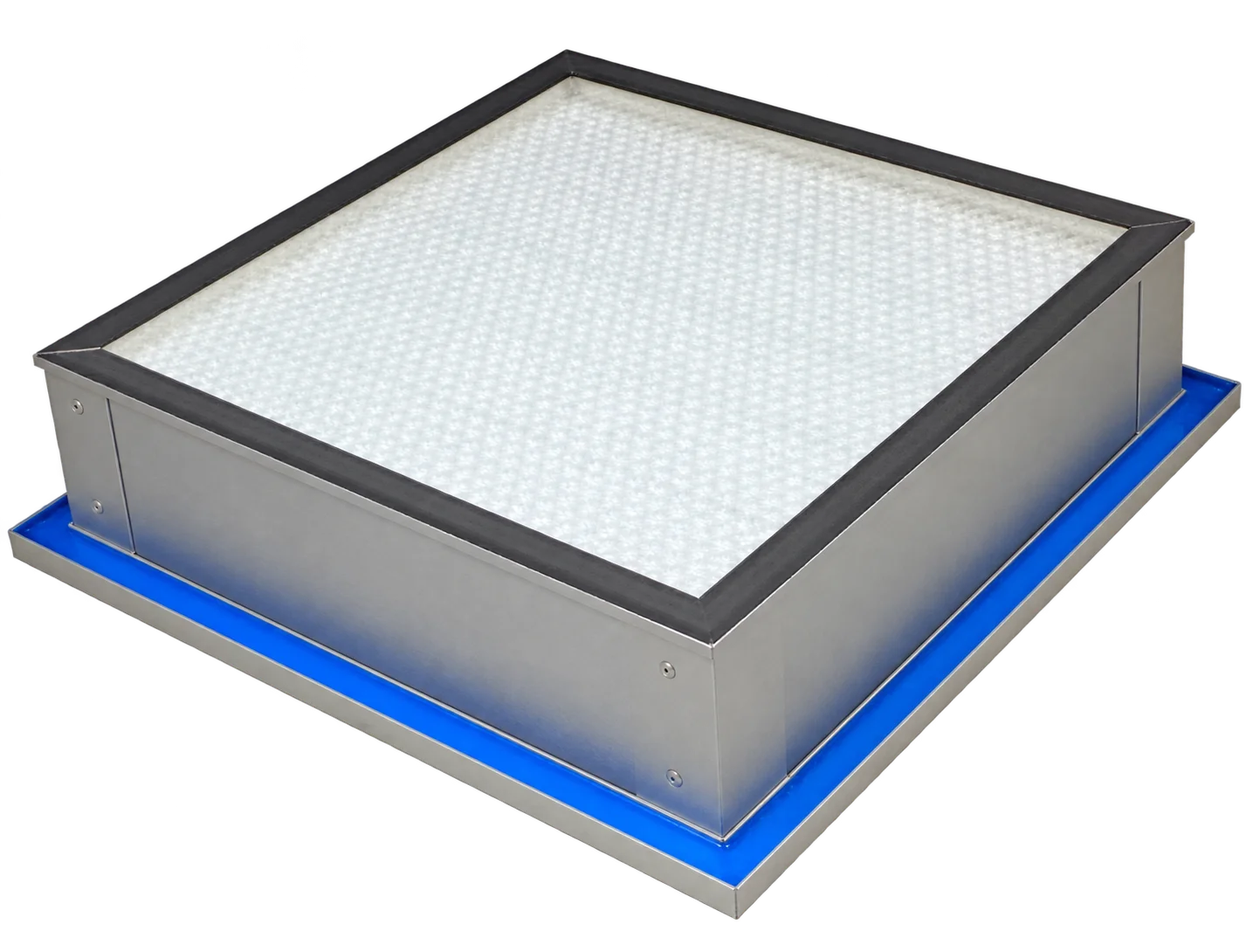
Gel Seal HEPA / ULPA Filters
Mini-pleat filters with a gel channel for compatible knife-edge housings. Confirm the channel position, interface dimensions and insertion requirements.
- Build
- Mini-pleat microglass
- Seal / fit
- Gel channel / knife-edge interface
Deep-pleat Separator HEPA Filters
Microglass media with corrugated aluminium separators. Compare the available depths, frame materials and gasket arrangements for your housing.
- Build
- Deep pleats / aluminium separators
- Seal / fit
- Gasket; configuration by model
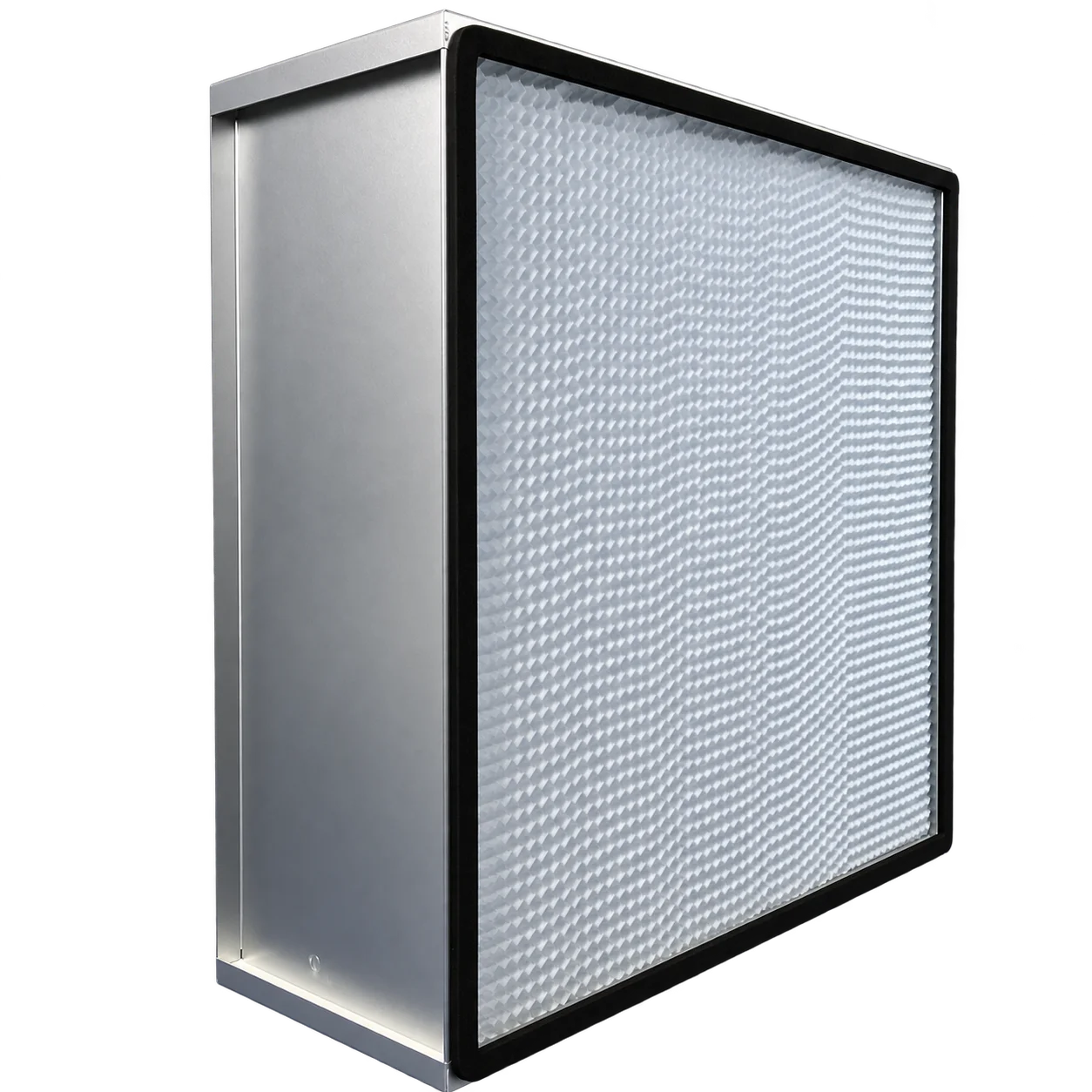
Paper Separator HEPA Filters
Microglass filter media with paper separators in a galvanized steel frame. Select the dimensions and flange arrangement required by the installation.
- Build
- Paper separators / microglass media
- Seal / fit
- Flange and sealing arrangement to confirm
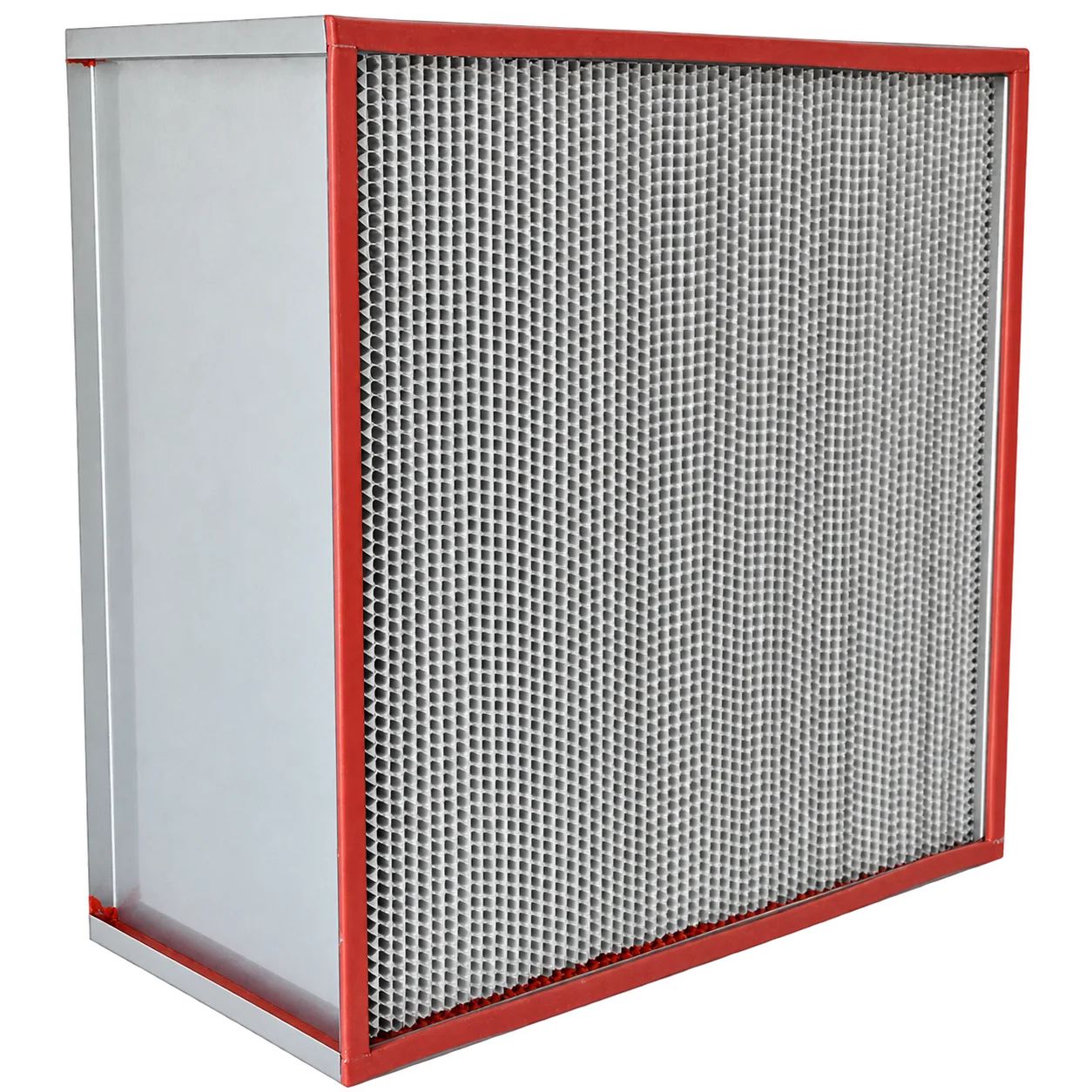
High-temperature Separator HEPA Filters
A separator construction for temperature-specific applications. Confirm the complete frame, seal and filter-pack configuration against the operating temperature profile.
- Build
- Aluminium separators / microglass media
- Seal / fit
- Temperature-specific configuration
Which Filter Construction Fits Your Installation?
Start with the required filtration class and the existing housing. Compare the sealing method, available depth, operating airflow and pressure allowance before choosing a replacement or a new configuration.
| Construction | Selection focus | Confirm before ordering |
|---|---|---|
| Mini-pleat HEPA / ULPA Filters | Frame depth and gasket contact | Class, actual dimensions, gasket position, airflow and pressure drop. |
| Gel Seal HEPA / ULPA Filters | Gel channel and housing knife edge | Top or side gel, channel geometry, knife-edge position and insertion requirements. |
| Deep-pleat Separator HEPA Filters | Available depth and frame configuration | Frame material, dimensions, gasket, protective grids and service access. |
| Paper Separator HEPA Filters | Housing dimensions and flange fit | Actual depth, flange arrangement and housing sealing interface. |
| High-temperature Separator HEPA Filters | Temperature suitability of the complete assembly | Continuous and peak temperatures, duration, frame, gasket and installation requirements. |
Match the housing interface
The same outside dimensions do not make gel, gasket and flange interfaces interchangeable. Check the actual contact and retaining arrangement.
Compare at operating airflow
Read pressure drop together with filter size, class and airflow. Confirm that the equipment has the pressure allowance required for operation.
Confirm the complete assembly
Media, frame, seal and installation components must all suit the operating conditions. This is particularly important for heated-air applications.
Understand Filter Classes & Test Documentation
Read a classification together with its test standard and the selected model. The EN 1822 groups below explain the terminology; they are not a list of all classes available from CINRIWA.
What does MPPS mean?
MPPS means the most penetrating particle size under the test conditions. Read a filter's efficiency together with its classification standard and test conditions rather than relying on a percentage alone.
Filter classification
Specify the required class and applicable standard. Confirm that the exact model is supported by the relevant product data.
Factory documentation
State the records, test results and identification or traceability you require. Confirm which documents can be supplied for the selected configuration before ordering.
Installed-system testing
Define the site acceptance and leak-testing requirements for the installed filter and sealing interface. Factory testing and installed-system testing address different conditions.
A filter classification does not establish the cleanliness classification of a complete room. System design, installation and project-specific verification remain part of the overall requirement.
Classification reference: EPA / HEPA / ULPA classification overview. This reference explains terminology and does not certify CINRIWA products.
Dimensions, Seals & Housing Compatibility
Provide the actual outside dimensions and the housing interface details. Frame depth, flange dimensions, gasket position and gel-channel geometry should be identified separately.
Outside frame dimensions
Width × Height × Depth (mm) · Outside edges · Not to scale
Gel-channel interface
Confirm the actual channel, knife-edge position and insertion requirements against the housing drawing.
Gasket & flange constructions
Measure outside width, height and overall depth. Identify the gasket contact face, retaining arrangement and any flange dimensions separately. Include installation and removal clearances.
Gel-seal constructions
Specify top-gel or side-gel configuration where offered. Provide the channel dimensions and matching housing knife-edge details. The same outside size alone does not establish compatibility.
Operating conditions
Provide the required class, airflow and allowable pressure drop, along with temperature, humidity and any liquid exposure. For heated-air service, include continuous and peak temperatures and duration.
Send a photo or drawing
Include the existing filter label, sealing interface, housing drawing and quantity. Custom sizes and configurations require confirmation for the selected model.
Applications in Clean-Air Systems
Select the filtration task and installation interface against the complete system requirements.
Cleanroom Terminal Filtration
Filter options for terminal housings in clean-air systems. Select the class, airflow and sealing arrangement against the project specification.
Explore Electronics Applications →FFUs & Local Clean-Air Equipment
Match filter depth, pressure drop and the gasket or gel interface to the equipment design. Confirm the exact configuration for new equipment or replacement filters.
View Gel-Seal Filters →Air-Handling & Equipment Replacement
Review the existing housing, filter label, sealing face and maintenance access before selecting a replacement configuration.
Read the Selection Guide →Temperature-Specific Processes
Review the complete filter, frame and seal configuration against the operating temperature profile. A separator construction alone does not establish high-temperature suitability. Review the temperature-specific series →
EPA, HEPA & ULPA Filter Questions
Answers to common questions about classification, sealing, replacement and documentation.
What is the difference between EPA, HEPA and ULPA filters?
These are classification groups within EN 1822: E10–E12, H13–H14 and U15–U17 respectively. Select the exact class against your specification and confirm model availability and applicable test data. The category name does not mean every class is available in every construction.
Does a higher filter class always mean a better choice?
The filter must meet the system requirement while remaining compatible with the equipment airflow, pressure allowance and installation. A higher class should not be substituted without reviewing the complete configuration and operating conditions.
How do I choose between gasket and gel seals?
Match the filter to the housing design. Gasket seals need the specified contact surface and retaining arrangement. Gel-seal filters need a compatible knife-edge interface and channel geometry. These interfaces are not interchangeable simply because the filters have the same face size.
Can I replace a filter with another of the same dimensions?
Check class, sealing method, flange or channel details, airflow direction, operating airflow and pressure drop as well as size. Send the existing filter label and housing photographs or drawings to help review compatibility.
What test documentation should I specify?
Identify the required standard and class, the factory test records you need and any serial-number or traceability requirements. Confirm the documents available for the selected model before ordering. Specify installed-system acceptance requirements separately; do not assume a factory record replaces site testing.
Does a HEPA filter guarantee a cleanroom classification?
No. Filter classification describes the filter, not the complete room. The room classification depends on the overall system, installation, operation and the applicable project verification. Select the filter as part of that complete specification.
Can these filters be washed, and when should they be replaced?
Do not assume these filters can be washed or cleaned for reuse. Follow the supplied product and equipment instructions. Determine replacement using operating pressure drop, airflow, damage or seal condition and applicable project test results. A single replacement interval is not suitable for all installations.
Are all separator filters suitable for high temperatures?
No. Separators alone do not determine the temperature rating. Media, frame, adhesives, seals and installation components must all be compatible with the operating conditions. Confirm continuous and peak temperatures, exposure duration and the supplied configuration.
Specify the Filter Your System Needs
Share the required filter class and test standard, actual dimensions, operating airflow and sealing arrangement. Include the quantity and photos or drawings of the existing filter and housing.
Class & standard · Dimensions · Airflow · Seal type · Quantity · Photos or drawings
Include temperature conditions and documentation requirements where applicable.